

Ablation for Back Pain: Candidacy and Recovery

Updated: Sep 15
Ablation for Back Pain: Candidacy and Recovery
Living with ongoing back pain can make work, sleep, exercise, and ordinary routines harder. If medications, physical therapy, or other conservative options have not provided enough improvement, you may hear about ablation for back pain. Radiofrequency ablation, often called RFA, is a minimally invasive procedure that uses controlled heat to interrupt specific nerves that carry pain signals from certain spinal joints.
Book an appointment to discuss whether an individualized pain evaluation is an appropriate next step.
RFA is not appropriate for every type of back pain, and it does not repair the spine or permanently remove a nerve. Its value depends on identifying the correct pain source through a careful evaluation and, commonly, diagnostic nerve blocks. This guide explains candidacy, procedure-day expectations, recovery, potential benefits, limitations, and questions to discuss with a pain medicine specialist. It is educational and cannot replace individualized medical advice.
How does ablation for back pain work?
The spine contains small joints called facet joints that help guide movement. Tiny medial branch nerves carry pain signals from these joints toward the brain. When a clinician believes one or more facet joints are contributing to chronic pain, radiofrequency ablation may be considered to reduce those signals.
Targeting a specific pain pathway
During RFA, a physician guides a specialized needle near the intended sensory nerve. Radiofrequency energy creates a controlled area of heat at the needle tip. The heat changes the nerve tissue so it cannot transmit pain signals in the same way for a period of time. Imaging guidance helps the physician position the needle precisely.
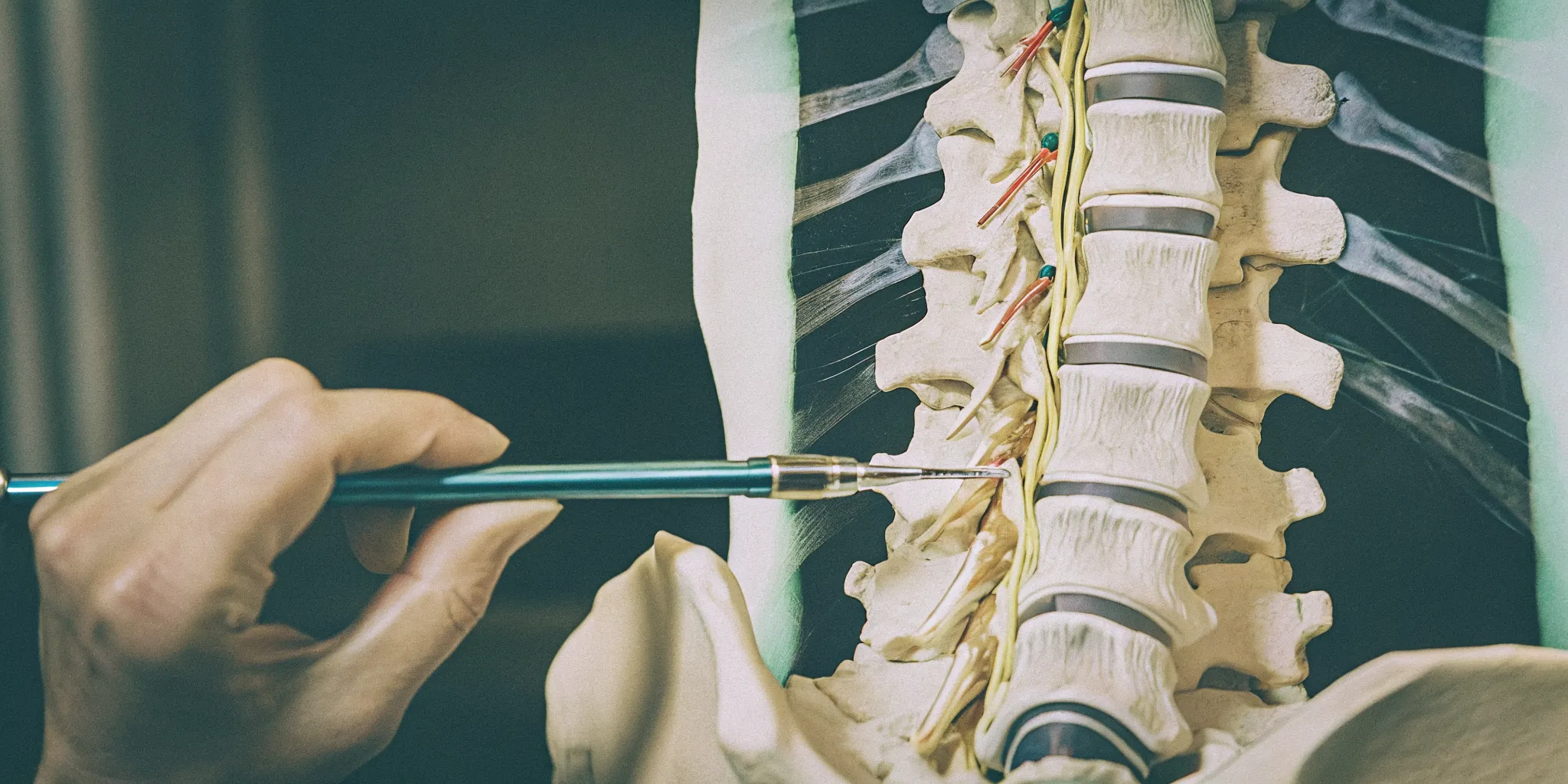
The procedure targets selected sensory branches, not the spinal cord. Because the treatment focuses on a particular pain pathway, a thorough diagnosis matters. Back pain can also come from discs, muscles, ligaments, nerve roots, fractures, infection, or other conditions that RFA may not address.
Why relief may be temporary
The treated nerve can gradually recover or regrow. For that reason, any benefit from RFA is generally temporary and varies from person to person. Some people do not experience meaningful improvement. A clinician should explain how the procedure fits into a broader plan for function, movement, and symptom management.
Who may be a candidate for radiofrequency ablation?
A possible candidate often has chronic neck or back pain believed to arise from facet joints. Pain may be more noticeable with standing, twisting, or extending the spine, but symptoms alone cannot confirm the source. A pain specialist reviews the pattern, examination findings, prior treatment, imaging, health history, and goals before recommending a procedure.
The role of diagnostic medial branch blocks
Before RFA, a clinician commonly performs one or more diagnostic medial branch blocks. A small amount of local anesthetic is placed near the nerves thought to carry the pain. The patient then tracks how symptoms and function change while the anesthetic is active.
A meaningful temporary response can support the idea that the targeted facet joints contribute to the pain. It does not guarantee that ablation will help. The number of blocks, response threshold, and documentation requirements can vary based on the clinical situation and insurance policy.
Reasons another approach may be better
RFA may not be recommended when the suspected pain source is not served by the targeted medial branch nerves. Active infection, certain bleeding risks, uncontrolled medical conditions, pregnancy-related imaging concerns, or an inability to safely complete the procedure may also change the plan. A clinician must review medications, allergies, implanted devices, and individual risks.
People with new weakness, loss of bowel or bladder control, saddle numbness, fever with severe back pain, or pain after significant trauma need prompt medical evaluation. Those symptoms should not wait for a routine ablation consultation.
What happens before and during the procedure?
Specific instructions differ by practice and patient. Follow the directions from your treating team rather than relying on a general online checklist.
- Clinical evaluation:
The physician reviews symptoms, examination findings, imaging, previous care, medications, and health conditions. Diagnostic blocks may be used to test the suspected pain pathway.
- Preparation:
Your team explains eating and drinking instructions, transportation needs, and how to handle medications. Never stop a blood thinner or other prescribed medicine unless the prescribing clinician and procedure team tell you to do so.
- Positioning and monitoring:
On procedure day, you are positioned so the physician can reach the treatment area. The skin is cleaned, monitoring equipment is applied, and local anesthetic is used. Sedation practices vary.
- Needle placement:
The physician uses imaging guidance, commonly fluoroscopy, to position the radiofrequency needle near the intended nerve. Testing may help confirm placement before treatment.
- Radiofrequency treatment:
Controlled energy heats a small area around the needle tip. More than one nerve may be treated depending on the planned levels and side of the spine.
- Observation and discharge:
Afterward, the care team monitors you and reviews written discharge instructions. RFA is commonly performed as an outpatient procedure.
Questions to ask before procedure day
Ask which nerves and joints are being targeted, why the clinician believes they are contributing to pain. What response occurred after diagnostic blocks, and which medicines require special instructions. Also ask about sedation, transportation, expected restrictions, follow-up, costs, and insurance authorization.
What is recovery after back pain ablation like?
Recovery varies. Many patients go home the same day, but they may need a responsible adult to drive if sedation was used. Temporary soreness, tenderness, muscle spasm, bruising, or a sunburn-like sensation near the treatment area can occur. Some people notice a temporary pain flare before symptoms settle.
The first days after RFA
Follow the discharge plan for wound care, bathing, activity, and medications. Light activity may be encouraged, while strenuous exercise, heavy lifting, and other demanding movements may need to wait. Do not drive, work, or exercise based only on a general timeline. Your clinician's instructions account for the procedure, sedation, health history, and job demands.

Relief, if it occurs, may not be immediate. Local irritation can temporarily compete with any benefit from interrupting the pain signal. Keep notes about pain, sleep, walking, work tasks, and activities that matter to you. Functional changes can help the care team evaluate the response.
When to contact the care team
Your clinician should provide specific warning signs and contact instructions. Seek prompt guidance for worsening redness, warmth, swelling, drainage, fever, severe or escalating pain, new numbness, or new weakness. Emergency symptoms such as loss of bowel or bladder control, saddle numbness, or rapidly progressing weakness require urgent evaluation.
Returning to a broader care plan
When appropriate, the period after RFA may create an opportunity to resume rehabilitation, improve movement tolerance, or work toward practical goals. RFA does not replace attention to strength, mobility, sleep, general health, or other contributors to pain. Discuss the timing of physical therapy and exercise with your care team.
Potential benefits, limitations, and risks
The purpose of RFA is to reduce selected pain signals. A reduction in pain may make valued activities more manageable, but no clinician can promise relief, a specific duration, or a particular functional outcome.
Topic | What to understand |
Potential benefit | Some appropriately selected patients experience reduced facet-related pain and improved ability to participate in daily activities. |
Important limitation | RFA targets specific nerves and does not treat every cause of back pain or repair structural changes. |
Duration | Effects vary and are not permanent because treated nerves may recover or regrow. |
Common temporary effects | Soreness, bruising, tenderness, muscle spasm, altered sensation, or a short-term pain flare may occur. |
Less common risks | Bleeding, infection, burns, allergic reaction, or unintended nerve injury are possible and should be discussed individually. |
Balancing possible benefit and risk
The decision should reflect your diagnosis, response to diagnostic blocks, medical conditions, medications, prior care, personal goals, and comfort with the alternatives. Ask what happens if you choose not to proceed, and whether continued conservative care or another intervention is reasonable.
Coverage and out-of-pocket cost also vary. Insurance plans may require documentation of conservative treatment and diagnostic blocks. Confirm authorization and financial responsibilities with the practice and insurer before the procedure.
What results can patients reasonably expect?
A realistic goal is not necessarily zero pain. The care team may look for meaningful changes in pain intensity, walking tolerance, sleep, work tasks, medication needs, or participation in rehabilitation. The result can differ between people even when symptoms seem similar.
How clinicians assess the response
Before RFA, identify a few measurable activities that pain limits. Examples include standing long enough to prepare a meal, walking a certain distance, sleeping through part of the night, or completing a work shift. After the procedure, tracking those same activities gives the follow-up conversation more useful detail than a pain score alone.
If pain does not improve, it does not mean the experience was imagined. It may indicate that the targeted nerves were not the main pain pathway, that several pain sources are present, or that a different plan is needed. A specialist can reassess the diagnosis and discuss appropriate next steps.
If pain returns later
Because nerves can recover, symptoms may return. Repeat RFA is sometimes considered, but it is not automatic. The clinician may repeat parts of the evaluation, confirm that the returning pain resembles the prior pattern, and review whether the earlier procedure provided a meaningful response. Eligibility and coverage should be assessed again.
Preparing for an ablation consultation
Book an appointment with ReleviiMed for a personalized discussion of your symptoms, options, and next steps.
A consultation is a chance to understand the source of pain, not simply request a procedure. Review ReleviiMed's treatment options and focus areas before your visit. Bring a medication and allergy list, relevant imaging reports, prior procedure records, and notes about physical therapy, medications, or other treatments. Describe what makes symptoms better or worse and which activities matter most to you.
Useful questions for your pain specialist
What do you believe is causing my back pain, and what findings support that diagnosis?
Would a diagnostic medial branch block help determine whether I am a candidate?
What are the alternatives to RFA in my situation?
Which benefits and risks matter most given my health history?
What should I expect before, during, and after the procedure?
How will we measure whether it helped?
What costs or insurance requirements should I confirm?
ReleviiMed provides personalized interventional pain evaluations for patients in Schertz, San Antonio, and surrounding Central Texas communities. You can learn more about ReleviiMed, review the practice's patient FAQ, or use the Book Appointment pathway to request an individualized evaluation.
Frequently asked questions about ablation for back pain
Is radiofrequency ablation the same as surgery?
No. RFA is a minimally invasive procedure performed through a needle rather than an operation that reconstructs the spine. It still has risks and requires an individualized evaluation.
Does a diagnostic nerve block guarantee RFA will work?
No. A temporary response to a medial branch block can support candidacy, but it cannot guarantee the result or duration of an ablation.
Is back pain ablation permanent?
Usually not. The treated nerve can recover or regrow, and symptoms may return. Results and duration vary.
Can RFA treat sciatica?
Traditional medial branch RFA targets pain signals from facet joints. Sciatica often involves a different pain pathway, so a clinician must identify the cause before recommending treatment.
How soon can I return to normal activity?
The timeline depends on the procedure, sedation, health history, symptoms, and type of activity. Follow the specific discharge instructions from your treating team.
How to get more from your consultation
Consider keeping a short symptom diary for several days before the visit. Note where pain is located, which movements trigger it, how long it lasts, and whether it travels into an arm or leg. Record activities you avoid or stop early because of pain. This information can help the clinician distinguish among possible pain sources and understand what improvement would mean in daily life.
Be open about previous treatment results, including treatments that did not help or caused side effects. Also share concerns about needles, sedation, recovery time, work demands, transportation, and caregiving duties. A thoughtful plan should reflect both the medical findings and the realities of your life.
Make the decision at the right pace
After the evaluation, ask for a clear explanation of why RFA is or is not being recommended. You should understand the alternatives, expected follow-up, and warning signs before agreeing to a procedure. If anything remains unclear, ask for more time or clarification. Informed decisions depend on honest communication and realistic expectations.
Discuss your options with ReleviiMed
If ongoing back pain is limiting your life, a personalized evaluation can clarify the likely pain source and whether radiofrequency ablation or another approach may be appropriate. ReleviiMed emphasizes compassionate, unhurried care and honest communication about options, risks, and expectations.
Book Appointment to discuss your symptoms and next steps with ReleviiMed.


