

How Painful Is Nerve Ablation? What to Expect

Updated: Sep 15
If you are wondering how painful is nerve ablation, the uncertainty can feel more intimidating than the procedure itself. Radiofrequency nerve ablation involves needles, numbing medicine, and controlled heat, so some brief sensations are expected. Knowing what may happen before, during, and after treatment can help you ask informed questions and prepare with greater confidence.
Nerve ablation is usually performed with local anesthetic, so patients may feel a pinch, pressure, tingling, warmth, or brief discomfort rather than continuous sharp pain. Temporary soreness can occur afterward. The experience varies by treatment area, pain sensitivity, and comfort plan, and a pain specialist should explain what to expect for your specific procedure.
How painful is nerve ablation during the procedure?
Nerve ablation, often called radiofrequency ablation or radiofrequency neurotomy, uses controlled energy to interrupt selected nerve signals. It is not a surgery that requires a large incision. However, it is still a medical procedure, and describing it as completely painless would be misleading. Most discomfort tends to occur during skin numbing, needle positioning, or testing near the target nerve.
Before treatment begins, the physician usually cleans the skin and injects local anesthetic. That injection can create a quick pinch and a short burning or stinging sensation. As the treatment needle is guided into position, you may notice pressure or an ache. During nerve testing, tingling or a small muscle twitch may occur. When energy is applied, some patients notice warmth or brief discomfort.
Your experience may differ based on the location and number of nerves treated, your sensitivity to pain, existing inflammation, and whether sedation is appropriate. The care team should tell you what sensations to report. Speaking up does not mean you are failing the procedure. Your feedback helps the physician assess needle position and respond to your comfort needs.

How is discomfort managed?
Local anesthetic is commonly used to numb the treatment area. Some patients may also receive medication to help them relax, depending on the planned procedure, medical history, and clinical setting. Sedation is not identical for everyone and may not remove every sensation. Ask whether you will be awake, what medicines may be used, and whether you need a responsible adult to drive you home.
ReleviiMed Spine and Wellness takes a personalized approach to interventional pain care. Learning more about the physician-owned practice can help you prepare questions about communication, comfort measures, and follow-up before your visit.
What happens step by step during radiofrequency ablation?
A clinical evaluation comes first. Nerve ablation is intended for specific pain patterns and is not suitable for every cause of back, neck, or joint pain. A pain physician may review your symptoms, examination, imaging, prior care, medicines, and response to diagnostic procedures before recommending it. ReleviiMed's page about radiofrequency ablation provides an overview of the treatment offered by the practice.
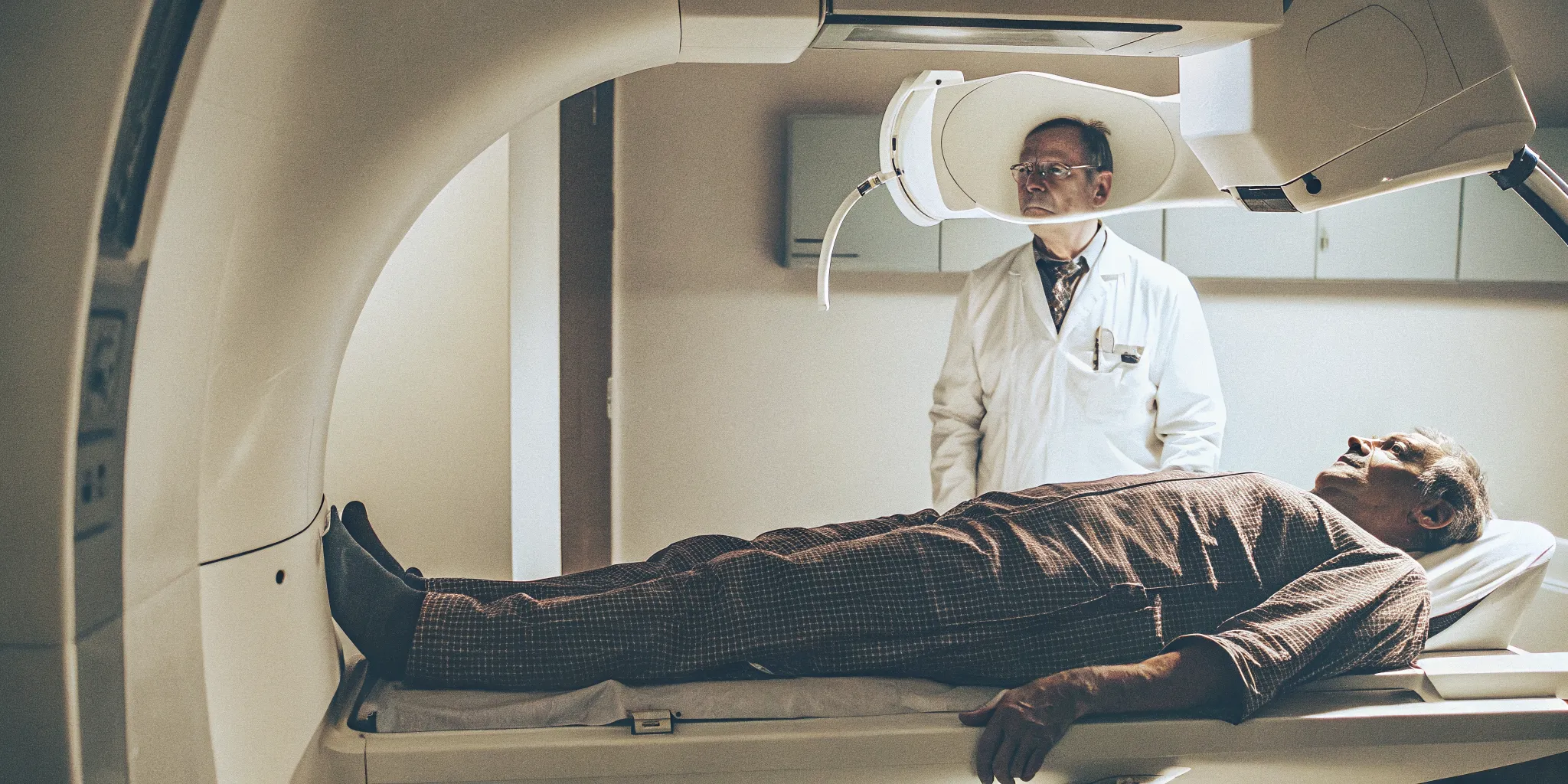
The exact workflow varies, but a typical appointment may include these steps:
- Preparation:
The team confirms your health information, medicines, allergies, transportation plan, and pre-procedure instructions. You change position on the procedure table so the physician can access the treatment area.
- Monitoring and numbing:
Staff may monitor vital signs. The skin is cleaned, and local anesthetic is injected around the planned needle-entry site. Sedation may be considered when clinically appropriate.
- Needle guidance:
The physician uses imaging guidance to advance a specialized needle toward the selected nerve. You may feel pressure while the needle is positioned.
- Position testing:
A small electrical signal helps confirm placement. This may cause tingling, buzzing, or a brief muscle response. Tell the physician exactly where and what you feel.
- Energy delivery:
Controlled radiofrequency energy heats a small area near the target nerve. The goal is to reduce its ability to transmit certain pain signals.
- Observation and discharge:
The needle is removed, a small dressing may be applied, and the team monitors you before discharge. Follow the written instructions for activity, medicines, driving, and warning signs.
Why might a diagnostic injection come first?
Because several structures can cause similar pain, a physician may use a diagnostic block to investigate whether selected nerves are likely involved. For suspected facet-related pain, a facet joint injection or another targeted diagnostic approach may be considered. A response to a diagnostic procedure can inform the plan, but it does not guarantee how you will respond to ablation.
What does recovery feel like after nerve ablation?
It is common to focus on the treatment itself, but the answer to how painful nerve ablation feels also includes recovery. After the numbing medicine wears off, the needle sites and surrounding tissues may feel sore, tender, bruised, or mildly swollen. Some people notice a temporary increase in their familiar pain, muscle spasm, numbness, tingling, or a sunburn-like sensitivity near the treated area.
A post-procedure flare does not automatically mean treatment failed. The treated nerve and nearby tissues need time to settle, and any potential change in pain may not be immediate. On the other hand, increasing or unusual symptoms should not be dismissed. Follow the discharge instructions supplied by your own care team rather than relying on a general timeline from the internet.
How can you make the first days more manageable?
Plan for a lower-demand day after the procedure. Arrange transportation if instructed, wear comfortable clothes, and have your written instructions available at home. Your clinician may recommend specific measures for soreness, but do not start, stop, or change prescription or over-the-counter medicines without appropriate guidance. Ask when you can shower, drive, work, exercise, and resume lifting.
When should you contact the care team?
Your clinician should give you a specific list of warning signs. Contact the care team promptly if you have worsening redness, drainage, fever, severe or rapidly increasing pain, new weakness, or another symptom identified in your discharge instructions. Seek urgent or emergency care for symptoms your clinician identifies as an emergency. Risks vary by patient and treatment location, so discuss them before deciding whether to proceed.
How does nerve ablation compare with other pain treatments?
Nerve ablation is one option within a broader care plan, not a universal next step. The right approach depends on the source of pain, health history, prior response to care, functional goals, and personal preferences. Some treatments are primarily diagnostic, some aim to calm inflammation, and others are designed to address selected pain signals. A clinical evaluation is needed to compare likely benefits, limitations, and risks.
Option. | Main purpose. | What the experience may involve. | Important consideration. |
Diagnostic block or facet injection. | Help assess a suspected pain source and, in some cases, deliver medication. | Needle placement, local anesthetic, and temporary soreness. | A short-term response can inform next steps but does not guarantee an ablation result. |
Radiofrequency nerve ablation. | Disrupt selected nerve signals with controlled heat. | Numbing injection, pressure, testing sensations, warmth, and possible recovery soreness. | Only appropriate when the clinical evaluation supports a specific nerve target. |
Epidural steroid injection. | Deliver medicine into the epidural space for certain pain patterns. | Needle placement, pressure, and possible temporary soreness. | Purpose, risks, and candidacy differ from nerve ablation. |
PRP injection. | Use a preparation made from the patient's own blood as part of selected care plans. | Blood draw, injection, and possible post-injection soreness. | Evidence, eligibility, cost, and expected response depend on the condition. |
For example, an epidural steroid injection has a different target and purpose than radiofrequency ablation. A PRP injection also follows a different clinical rationale. Reviewing the practice's range of minimally invasive treatments can help you prepare for a discussion, but only a clinician can recommend an option for your condition.
Who may be a candidate, and what are the risks?
A physician may consider nerve ablation when an evaluation suggests that specific nerves are contributing to chronic pain and more conservative care has not provided adequate improvement. Depending on the suspected source, a meaningful temporary response to one or more diagnostic blocks may help support the decision. Candidacy standards and insurance requirements can vary.
Nerve ablation may not be suitable for someone whose symptoms do not match an appropriate nerve target or whose health circumstances make the procedure's risks unacceptable. Infection, pregnancy, implanted devices, bleeding risk, medicines, allergies, and other medical factors may affect planning. Give the care team a complete and accurate health history and follow instructions about medications. Never stop a blood thinner or another prescribed medicine unless the prescribing clinician and procedural team direct you to do so.
What benefits and limitations should you discuss?
The intended benefit is reduced transmission of certain pain signals, which may support function and quality of life for an appropriately selected patient. Results are not guaranteed. Relief may be partial, absent, delayed, or temporary, and nerves can recover over time. Nerve ablation also does not correct every underlying structural problem or prevent all future pain.
Potential risks can include bleeding, infection, medication reaction, temporary increased pain, numbness, and injury to nearby structures or nerves. The likelihood and seriousness of a risk depend on the treatment area and individual health factors. Ask the physician to explain the risks, possible benefits, alternatives, and what could happen without the procedure in terms that make sense to you.
How can you prepare for a more comfortable appointment?
Good preparation can reduce avoidable stress even though it cannot determine exactly how the procedure will feel. Read the instructions before appointment day and call about anything unclear. Confirm whether you need to avoid food or drink, which medicines to take, and whether you need a driver. Do not assume instructions from a previous injection apply to a new procedure.
Questions to ask your pain physician
What diagnosis and nerve target make you consider ablation for me?
What may I feel during numbing, testing, and energy delivery?
Will I receive local anesthetic, sedation, or both, and what are their risks?
What should I do if I feel sharp pain or another unexpected sensation?
What recovery symptoms are expected, and which require a call?
When can I return to driving, work, exercise, and other activities?
What alternatives fit my goals if I decide against ablation?
It can help to bring a current medicine list, relevant health information, and notes about your pain pattern. Describe where symptoms occur, what worsens them, what improves them, and how they affect daily activities. Honest communication gives your clinician better information for evaluating whether the procedure is appropriate and tailoring the comfort plan.
Also discuss any previous difficulty with injections, anesthesia, lying in one position, or medical anxiety. These details allow the team to anticipate practical needs rather than addressing them at the last moment. If you use mobility aids or need language or accessibility support, confirm arrangements in advance. A clear plan can make the appointment feel more predictable without minimizing the real sensations or risks involved.
Frequently asked questions about nerve ablation pain
Are you awake during nerve ablation?
Many nerve ablation procedures use local anesthetic, and some may include sedation to help a patient relax. The exact plan depends on the procedure, setting, and individual health factors. Ask your physician how alert you are expected to be, what you may remember, and what transportation restrictions apply.
Does the numbing injection hurt?
A local anesthetic injection can cause a brief pinch, sting, or burning sensation before the area becomes numb. Sensations vary among patients. Tell the team if discomfort is stronger than expected or if you feel an unexpected symptom during any part of the procedure.
How long does soreness last after nerve ablation?
Temporary soreness or a pain flare can occur after nerve ablation, but the intensity and duration vary. Follow your clinician's recovery guidance and contact the care team if symptoms are severe, rapidly worsening, or accompanied by a warning sign such as fever, drainage, or new weakness.
Can nerve ablation permanently stop pain?
Nerve ablation does not guarantee permanent pain relief. Some people may experience a meaningful reduction in selected pain signals, while others may have limited or no benefit. Nerves can recover, and pain may return. A clinician can discuss realistic expectations after evaluating your diagnosis and health history.
If you want a personalized answer to how painful nerve ablation may be for you, ReleviiMed Spine and Wellness can evaluate your symptoms, explain comfort options, and review potential benefits, risks, and alternatives. Call (210) 299-7770 or Book Appointment.


