

Spinal Cord Stimulator Surgery and Recovery: What to Know

Updated: 5 days ago
Living with chronic pain can feel like a constant battle, but spinal cord stimulator surgery offers a promising path to relief for many.
Find out if you are a candidate for spinal cord stimulation.
Book Appointment or call our team today at (210) 299-7770.
Spinal cord stimulator surgery involves implanting a small device under the skin, typically in the abdomen or buttock, which sends mild electrical pulses to the spinal cord. These pulses interrupt pain signals before they reach the brain, replacing discomfort with a tingling sensation or, in some modern systems, no sensation at all. This procedure is generally considered for people with chronic pain in the back, legs, or arms who have not found relief from other treatments. It helps manage conditions like failed back surgery syndrome, complex regional pain syndrome, and diabetic neuropathy. Providing significant pain reduction and improving quality of life without the side effects of long-term medication use. Patients often undergo a trial period before permanent implantation to ensure effectiveness.
Understanding what this surgery entails, from preparation to recovery, is key to a successful outcome. Let's explore what is spinal cord stimulator surgery.
What is spinal cord stimulator surgery?
Spinal cord stimulator surgery is a new way to manage long-term pain. For many people in San Antonio and Schertz, this care offers a path to a better life. It does not fix the direct cause of pain like a large back surgery might. Instead, it changes how your nerves talk to your brain. This type of care is often a good fit when other treatments have not worked.
How stimulation stops pain signals
The goal of spinal cord stimulation therapy is to dull the pain you feel. The system works by sending small pulses of power to the spinal cord. These pulses act like a shield. They block pain signals before they can reach the brain. According to the National Institutes of Health, this method provides relief by changing how the nerves send signals. Many patients find that their pain turns into a soft, tingling feeling or simply fades away.
This approach is helpful because it targets the nerve paths directly. It is often used for nerve pain in the back, legs, or arms. At ReleviiMed, we look at your own case to see if this method is right for you. We focus on your story and your goals for better living. Our team wants to help you get back to the things you love without more big surgeries.
The parts of the stimulator system
A spinal cord stimulator has three main parts that work together to help you. First, there are thin wires called leads. A doctor places these leads near the spinal cord. Second, there is a small device called a pulse generator. This part acts like a battery. It creates the power that the leads deliver. The generator is usually placed just under the skin in a good spot.
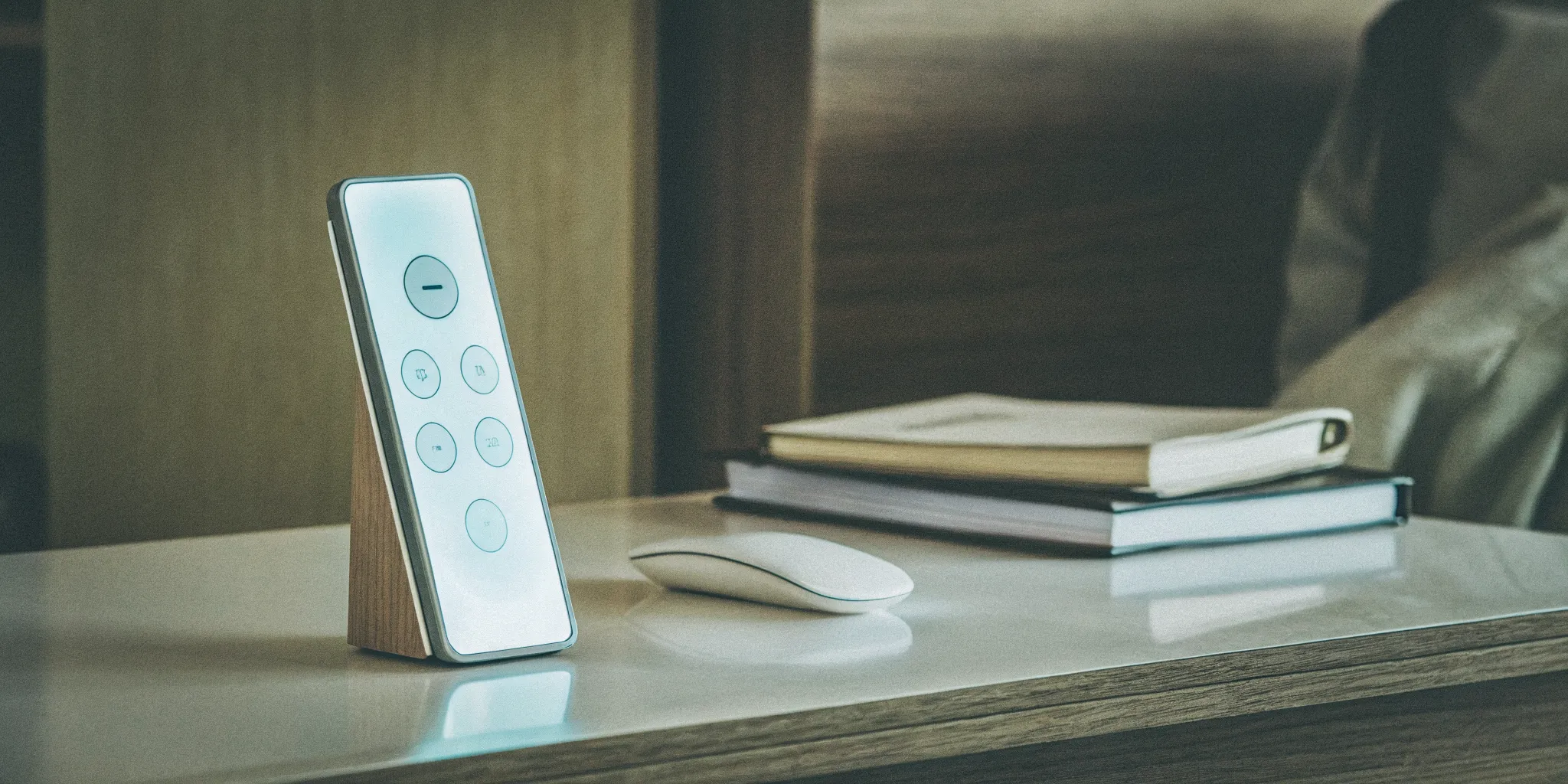
The third part is a small controller. You hold this device in your hand. It lets you change the level of the pulses to match your needs. If your pain changes during the day, you can turn the device up or down. This puts you in charge of your own comfort. Having this control is a key part of why this care works for many people. It allows the treatment to fit your life.
The trial and final stages
Most patients start with a trial phase before they get a final device. This trial is a way to test the system. The doctor places temporary leads under the skin during a short visit. You wear the generator on a belt for about a week. This lets you see if the pulses help your pain during your daily tasks. If you feel much better, you can choose to move forward with the final step.
The final surgery is also a short visit. The doctor replaces the trial wires with new ones and hides the generator under the skin. Healing is usually quick, and most people go home the same day. This two-step process makes sure that the device is a good match for your body. It gives you peace of mind before you commit to the final system. Our team ensures you have all the time you need to feel ready.
Who may be considered for a spinal cord stimulator?
Spinal cord stimulators (SCS) may offer relief for people with chronic pain when other treatments have not worked. Typically, candidates have persistent pain, often in the back or limbs, that has lasted for many months or years. This pain must remain after trying conservative care, such as physical therapy, medications, or injections. The evaluation process is individualized, focusing on the specific type of pain and its impact on daily life.
For those seeking comprehensive chronic pain management in San Antonio, interventional therapies offer a viable pathway to lasting relief when conservative care hasn't worked.
Understanding Candidacy for SCS
Determining if an SCS is right for you involves a thorough review by a medical team. They will assess your medical history, current health, and the nature of your pain. Your goals for pain management and improved function are a key part of this discussion. It is important to have realistic expectations about what the stimulator can achieve. The aim is often to reduce pain levels and improve quality of life, not eliminate pain entirely.
Certain conditions may prevent someone from being a candidate for SCS. These are called contraindications. Examples include active infections, bleeding disorders, or severe psychological conditions that might affect the treatment outcome. A psychological screening is often part of the evaluation to ensure that you are well-prepared for the procedure and understand its implications. This step helps to identify any factors that could impact the success of the SCS therapy.
The SCS Trial Period
Before a permanent device is implanted, most candidates undergo a trial period. During this time, a temporary SCS device is used to see how well it helps manage your pain. This trial typically lasts several days. It gives both you and your medical team a chance to assess the effectiveness of the stimulation in relieving your symptoms. If the trial significantly reduces your pain and improves your function, it suggests that a permanent SCS may be beneficial.
No promises are made regarding the outcome of SCS therapy. Even with a successful trial, individual results can vary. The decision to proceed with a permanent implant is made after careful consideration of the trial results and discussions with your healthcare providers. This careful evaluation process ensures that the treatment path is tailored to your unique needs and circumstances.
What happens before and during the procedure?
The journey toward relief starts with a thorough check of your health and pain history. At ReleviiMed, we focus on spinal cord stimulator surgery only after other tools like physical therapy or medicine have not helped enough. This careful start helps us find the best path for your unique needs and goals. For patients with back and neck arthritis, alternative treatments like radiofrequency ablation procedures or joint injections might be explored prior to neuromodulation.
The trial phase
Before a permanent device is set up, you will have a short trial. This "test drive" usually lasts five to seven days. During this time, thin wires are placed near your spine to send mild signals. These signals help block pain before it reaches your brain, as noted by the Cleveland Clinic. You use a small remote to control the settings while you go about your daily life at home.
Implant day steps
If the trial helps you feel better, we move to the permanent step. This minimally invasive SCS treatment is done as an outpatient visit, so you can go home the same day. Our clinic specializes in advanced neuromodulation treatments and other state-of-the-art procedures. The steps below show what you can expect during the work to place the device.
- Evaluation and prep.
You will meet with the team to review your trial results and prep for the day.
- Lead placement.
The doctor uses a small needle and X-ray tools to place the wires in the space near your spinal cord.
- Device implant.
A small pulse generator is placed just under the skin, usually in the upper buttock or flank area.
- Connection.
The doctor links the wires to the generator to ensure the system is ready to work.
- Testing.
We check the device to make sure the signals reach the right spots for your pain.
- Closing.
The small cuts are closed with stitches or tape, and you head to a recovery area.
Follow up and care
Once the device is in, we stay with you to make sure it works well. We will teach you how to use your remote and adjust the settings. Every person is different, so we work with you to fine tune the signals over your first few weeks. Regular visits help us track your progress and make sure you get the most from this neuromodulation therapy as you return to your life.
What is recovery after spinal cord stimulator surgery like?
Recovery after spinal cord stimulator (SCS) surgery involves two main phases: the trial period and the permanent implant recovery. Each phase has specific guidelines to ensure proper healing and device function. Your medical team will provide detailed instructions tailored to your needs, but general expectations apply to most patients.
Trial Period Recovery
The SCS trial is a temporary period to see if the device helps manage your pain. During this time, thin wires (leads) are placed near your spinal cord through a needle. These leads connect to an external battery worn on a belt. This setup allows you to test the stimulation without a full surgical implant. For other soft-tissue musculoskeletal pain, some patients also benefit from platelet-rich plasma therapy to promote natural healing.
During the trial, avoid bending, lifting, or twisting to keep the leads in place. Keep the incision site clean and dry. You will likely go home the same day. Your doctor will tell you when to remove the temporary leads, usually after a few days to a week. Follow all instructions to prevent complications and get an accurate sense of pain relief.
Permanent Implant Recovery
If the trial is successful, you will move on to the permanent SCS implant. This involves a minor surgery to place the leads and a small battery (IPG) under your skin, often in the buttocks or abdomen. The recovery for this phase is a bit longer than the trial, but still relatively quick for most people. Mayo Clinic offers more details on the procedure.
After the permanent implant, you should expect some soreness at the incision sites. Keep these areas clean and dry to prevent infection. Avoid strenuous activities, heavy lifting, and sudden movements for several weeks. This helps the leads settle and keeps the internal pulse generator secure. While minor discomfort is normal, it is far more localized than recovery from major back surgery or even multiple epidural steroid injections.

Your doctor will schedule follow-up appointments to check your incisions and adjust the stimulator settings. It's important to follow all post-operative care instructions carefully. This includes guidance on activity levels, medication use, and when you can return to normal routines. Always communicate any concerns or changes in your condition to your care team.
Spinal cord stimulator trial vs. permanent implant
A spinal cord stimulator (SCS) can offer relief for chronic pain. The process usually involves two main steps: a trial period and, if successful, a permanent implant. Understanding the differences between these stages is key to knowing what to expect on your pain management journey.
The trial period lets you test the SCS device temporarily. This helps you and your doctor see if the treatment reduces your pain effectively. If the trial is successful, you can then consider a permanent implant. Each stage has its own setup, duration, and care guidelines.
Trial Phase Overview
The SCS trial is a short-term test to see if stimulation helps your pain. During this phase, thin wires called leads are placed near your spinal cord. These leads connect to a small external battery pack that you wear on your belt. You can adjust the stimulation settings to find what works best.
Permanent Implant Details
If the trial shows good pain relief, a permanent SCS system may be implanted. This involves a small surgery to place the leads under your skin. The battery, or pulse generator, is also placed under the skin, often in your buttock or abdomen. This system is designed for long-term use and comfort.
Feature | Trial Period | Permanent Implant |
. | Test if SCS reduces pain. | Long-term pain management. |
. | External battery pack; leads inserted through skin. | Internal battery pack; leads fully implanted. |
. | 5-7 days. | Years (battery life varies). |
. | Limited activity, no bathing or swimming. | Fewer restrictions, check MRI compatibility. |
. | Decision for permanent implant. | Ongoing pain relief management. |
Choosing between a trial and a permanent SCS implant involves careful consideration. The trial period gives you a chance to experience the therapy without a full commitment. The permanent system offers lasting relief once its effectiveness is confirmed. Discussing both stages with your healthcare provider is important to make an informed choice for your pain management.
Frequently Asked Questions
What is the success rate of spinal cord stimulator surgery?
Spinal cord stimulation helps many people with chronic nerve pain. Research from the National Institutes of Health shows this treatment brings major gains in pain relief for those with failed back surgery. Most patients see their pain levels drop a lot. While it rarely takes all pain away, it helps people move better and live with less stress. Many patients also find they need fewer oral pain pills. This allows them to get back to the things they love most.
Is spinal cord stimulator surgery permanent?
While the system is for long-term use, it is not a final change to your body. The treatment can be undone. If you no longer want the device or it stops helping, a doctor can take it out with a small surgery. ReleviiMed says this means you are not stuck with the implant if your needs change. Most people keep their stimulator for years to manage pain, but knowing it can be removed gives many patients peace of mind.
Can I have an MRI after spinal cord stimulator surgery?
Many modern systems are safe for an MRI scan, but it depends on your specific device. You should always tell the scan center about your implant before the test starts. They will check to see if your model is safe and may put the device in a special mode. Your doctor can give you more facts about your system's safety. Following these steps keeps you safe and ensures your stimulator keeps working well for your pain.
What are the restrictions after spinal cord stimulator surgery?
After your surgery, you will need to follow a few rules to help your body heal. For the first few weeks, you should avoid bending, lifting, or twisting your back. This helps the stimulator leads stay in the right place while your body recovers. You should also avoid hard tasks or lifting heavy items. Your doctor will tell you when it is safe to return to your normal routine. Most patients can slowly go back to their daily tasks after a short rest.
Ready to take control of your chronic pain?
Living with chronic back or leg pain often means missing out on small joys like walking in the park or playing with your kids. If you choose to wait, the stress on your body and mind may keep growing and make your healing path even longer. By taking the first step today, you can start the process of finding a way that helps you get back your freedom and daily comfort. Waiting for care only keeps you away from the life you want to lead and the things that bring you the most joy. Our team at ReleviiMed is here to help you in taking this big step toward a much more active and better future.
Ready to book your appointment? Visit our appointment page to book your appointment.


