

PRP Injection Candidates: When Regenerative Care May Help

Updated: 6 days ago
For individuals living with chronic joint, tendon, or ligament pain, finding an effective, non-surgical solution is often a top priority. In recent years, regenerative medicine has emerged as a groundbreaking field of healthcare, with the prp injection (Platelet-Rich Plasma) leading the way in minimally invasive tissue repair. By harnessing the body's natural healing mechanisms, this innovative treatment offers hope to patients who have not found relief through traditional conservative therapies. However, while regenerative care has shown remarkable potential, it is not a universal cure-all. Understanding who is an ideal candidate for a prp injection, how the procedure works, and what to expect during recovery is essential for anyone considering this advanced treatment pathway.
What Is a PRP Injection and How Does It Work?
Platelet-Rich Plasma therapy is an autologous treatment, meaning it is derived entirely from the patient's own blood. This eliminates any risk of disease transmission or allergic reaction. The science behind a prp injection lies in the biological power of platelets. While platelets are best known for their role in blood clotting, they also contain highly concentrated proteins called growth factors. Which are essential for repairing damaged tissues, reducing inflammation, and stimulating cellular regeneration.
A typical therapeutic prp injection contains a concentration of platelets that is five to ten times greater than what is found in normal, unprocessed blood. When this concentrated plasma is injected directly into injured or degenerated tissue, it jumpstarts the body's natural healing cascade. The growth factors recruit stem cells to the site of injury, promote local blood flow. And accelerate the repair of chronic, stubborn damage that the body has otherwise struggled to heal on its own.
At ReleviiMed Spine and Wellness, we utilize advanced centrifugation equipment to ensure a high-quality platelet concentration, maximizing the regenerative potential of every single treatment. Dr. Manuel Ybarra, our double board-certified specialist in Anesthesiology and Pain Medicine, carefully oversees this process to deliver personalized care of the highest clinical caliber.
Who Is an Ideal Candidate for a PRP Injection?
Determining candidate eligibility for a prp injection requires a comprehensive clinical evaluation. Regenerative therapies work best for specific types of injuries and patient profiles. The most common candidates for PRP therapy fall into several primary groups.
Active Adults and Athletes:
Often referred to as "weekend warriors" or dedicated athletes, these individuals frequently seek PRP to treat overuse injuries, chronic tendonitis, ligament sprains, or muscle tears. For active individuals, a
prp injection
offers a path to heal and return to their favorite activities without the long-term downtime associated with surgery.
- Chronic Pain Patients:
Men and women, typically between the ages of 45 and 75. Who have suffered from persistent joint, neck, or back pain for six months or longer are excellent candidates. Many of these patients have already tried traditional conservative treatments, such as physical therapy, chiropractic care, or oral anti-inflammatory medications, without achieving lasting relief.
- Patients Seeking Alternatives to Surgery:
Those with moderate joint degeneration, such as knee or hip osteoarthritis. Who wish to delay or completely avoid invasive surgical joint replacements, often find regenerative treatments to be an ideal intermediate step.
- Failed Back Surgery Patients:
Individuals who continue to experience chronic pain after previous spine surgeries may find that localized regenerative treatments help restore functional mobility and manage persistent discomfort.
It is important to note that PRP may not be suitable for patients with active infections, metastatic bone or blood cancers, severe anemia, or low platelet counts. A thorough medical history and clinical exam at our San Antonio pain management clinic are necessary to confirm whether a prp injection is the safest and most effective option for your unique situation.
What Joint and Tendon Conditions Benefit Most?
Clinical research and real-world outcomes have demonstrated that certain musculoskeletal conditions respond exceptionally well to Platelet-Rich Plasma therapy. These include the following conditions.
- Osteoarthritis:
Mild-to-moderate osteoarthritis of the knee, hip, shoulder, and ankle. Research indicates that PRP can help lubricate joints, reduce chronic friction, and soothe inflamed synovial linings.
- Tendonitis and Tendinopathy:
Chronic conditions such as lateral epicondylitis (tennis elbow), medial epicondylitis (golfer's elbow), Achilles tendinopathy, patellar tendinopathy (jumper's knee), and rotator cuff tears.
- Ligament and Muscle Sprains:
Stubborn ligament injuries, such as plantar fasciitis or mild knee ligament sprains, which have failed to heal naturally due to poor blood supply in dense connective tissues.
To help patients visualize their options, the table below compares standard conservative care with regenerative PRP therapy.
Treatment Type | Mechanism of Action | Typical Recovery Time | Primary Benefit |
Standard Care (Steroids, PT, NSAIDs) | Temporarily suppresses inflammation and manages pain symptoms. | Variable (hours to weeks) | Quick, short-term symptom relief. |
PRP Injection (Regenerative Care) | Stimulates actual tissue repair and cellular regeneration. | 2 to 6 weeks for initial clinical healing | Long-term functional improvement and potential tissue remodeling. |
How Platelet Quality Affects PRP Injection Outcomes
Not all PRP treatments are created equal. The clinical success of a prp injection depends heavily on the concentration of platelets and the quality of the plasma isolated. Some standard preparation kits only yield a platelet concentration that is mildly elevated. Research published in reputable medical journals shows that a low-concentration injection may not trigger a strong healing response. This is why we use advanced centrifugation systems at ReleviiMed to achieve a high-quality concentration. By isolating five to ten times the baseline platelet level, we deliver the optimal dose of growth factors directly to your joint or tendon.
Our double board-certified pain specialist, Dr. Manuel Ybarra, has extensive training in interventional pain medicine. Having completed his fellowship training at Rush University, Dr. Ybarra understands how to tailor the processing steps to your specific condition. A proper clinical evaluation ensures that we customize the centrifugation speed and injection technique for your personal recovery needs.
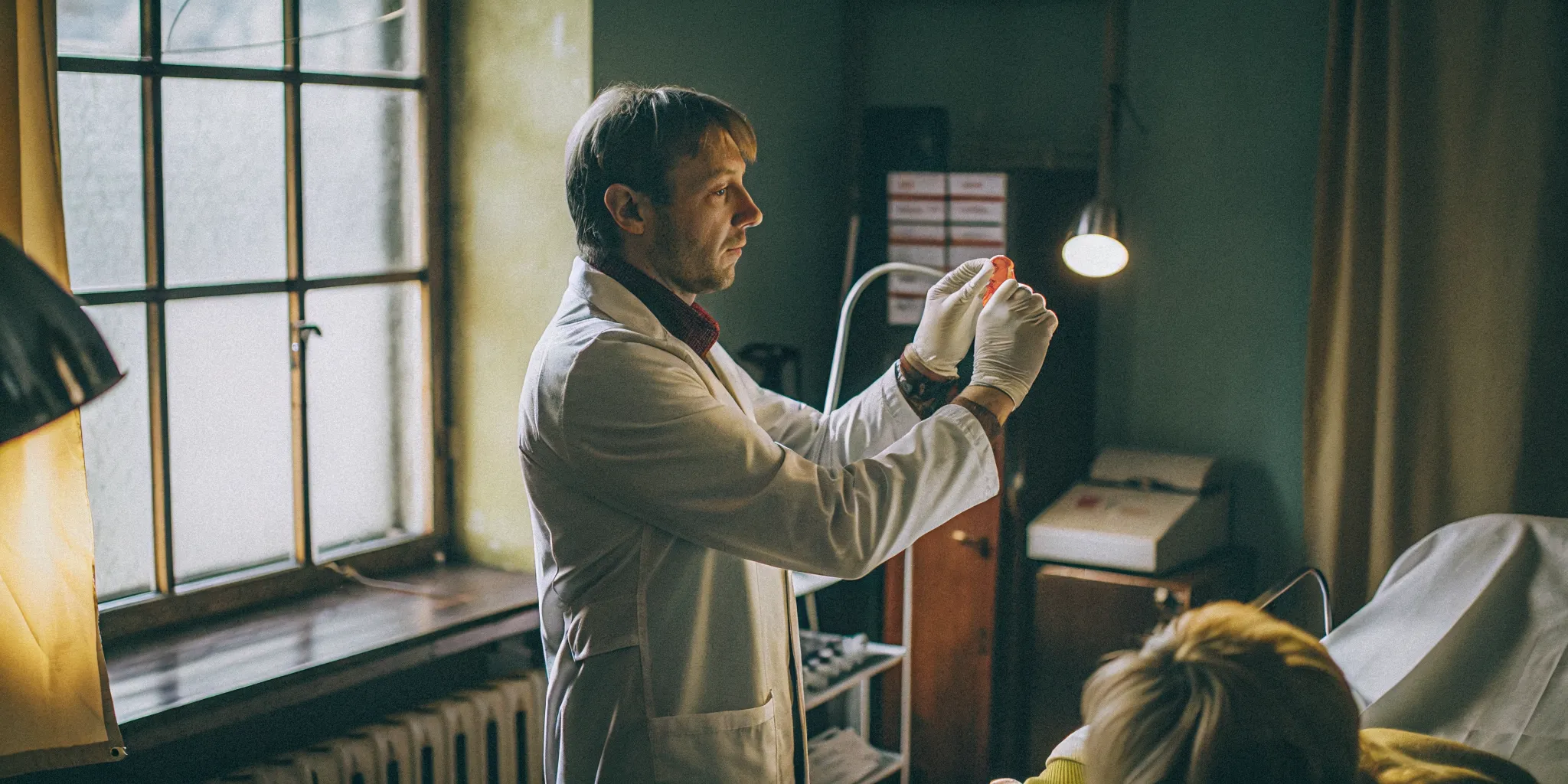
A clinical specialist preparing a high-quality Platelet-Rich Plasma PRP injection.
The PRP Procedure Step-by-Step
At ReleviiMed Spine and Wellness, we prioritize an unhurried, comfortable, and highly professional patient experience. The entire outpatient prp injection procedure is performed in our clinic and takes approximately 30 to 45 minutes from start to finish. Here is what you can expect during your visit.
- The Blood Draw:
A small sample of blood (similar to a standard clinical blood test) is drawn from your arm.
- Centrifugation (Processing):
The blood sample is placed in a specialized, high-speed centrifuge. The machine spins the sample to separate the blood into distinct layers, isolating and concentrating the platelets and plasma from red and white blood cells.
- Target Area Preparation:
The injection site on your joint or tendon is thoroughly sanitized. To ensure patient comfort, Dr. Ybarra may administer a local anesthetic to minimize any discomfort during the procedure.
- Precise Guided Injection:
Using advanced imaging guidance, such as ultrasound, Dr. Ybarra precisely injects the highly concentrated platelet-rich plasma directly into the damaged or diseased tissue, ensuring the healing factors land exactly where they are needed most.
Following the injection, you will rest briefly in our comfortable treatment room before being cleared to return home. We recommend arranging a ride home, particularly if the injection was performed on a weight-bearing joint like the knee or hip.
What Is the Recovery Timeline After a PRP Injection?
Because a prp injection initiates an active biological healing response, the recovery process differs significantly from a traditional steroid injection. Rather than providing immediate pain relief, PRP temporarily increases the inflammatory response to stimulate healing, which means patients must have realistic expectations regarding the recovery timeline.
- Days 2 to 5 (Initial Soreness):
It is highly common to experience mild-to-moderate soreness, swelling, and stiffness at the injection site as the localized inflammatory cascade begins. This is a positive sign that the treatment is working. Patients are advised to avoid anti-inflammatory medications (like ibuprofen or aspirin) during this time, as they can interfere with the platelets' healing action.
- Weeks 2 to 6 (Gradual Improvement):
As the initial inflammation subsides, the newly recruited cells begin laying down healthy collagen and repairing tissue. Most patients start noticing a gradual reduction in pain and a slow improvement in joint or tendon function during this window.
- Up to Month 3 and Beyond (Continued Healing):
The biological remodeling of tissue continues for up to three months or longer after a single treatment. Continued functional improvements and pain relief can persist long-term, helping you resume active lifestyles with confidence.
To maximize your recovery, our team provides detailed post-procedure guidelines, which may include a brief period of restricted activity followed by a structured, gentle physical therapy plan. If you want to dive deeper into the specific details of a joint-focused recovery, you can read our comprehensive guide on what to expect during your PRP injection in the knee.
The ReleviiMed Difference: Patient-Centered Regenerative Care
At ReleviiMed Spine and Wellness, serving San Antonio, Schertz, and the surrounding Central Texas communities, we believe that you deserve customized, compassionate care that fits your specific needs. Under the expert guidance of Dr. Manuel Ybarra, fellowship-trained at the prestigious Rush University and double board-certified in Anesthesiology and Pain Medicine, we take the time to truly listen to your pain experience. We are committed to honest and open communication, ensuring that you understand every step of your treatment plan, including the realistic benefits, costs, and expectations of regenerative medicine.
Whether you are seeking pain management services in San Antonio or are curious about our wider suite of regenerative pain management treatments, our clinical team is here to help. We are dedicated to guiding you toward a better quality of life.
At ReleviiMed, we are committed to providing you with clear, accurate information so you can make the best choices for your health. Our team is here to support you every step of the way on your healing journey.
Frequently Asked Questions About PRP Injections
What are PRP injections good for?
A PRP injection is highly effective for chronic joint pain, osteoarthritis, and tendonitis. According to clinical studies at Johns Hopkins Medicine, Platelet-Rich Plasma injections help heal injured tendons, ligaments, and joints. They use your own cells to reduce pain and improve your joint movement naturally without the need for major surgery.
What is the downside of PRP injections?
The main downside of a PRP injection is mild soreness or swelling at the treatment area for two to five days. Since the treatment uses your own blood, there is almost no risk of an allergic reaction. According to the Cleveland Clinic, some patients may also need more than one session to achieve optimal healing.
What is the average cost of a PRP injection?
The average cost of a single PRP injection ranges from $500 to $2,500. This price depends on the specific joint or tendon being treated and the complexity of your care plan. Because PRP is considered an elective regenerative therapy, most commercial health insurance plans do not cover it as a standard benefit.
How long will PRP injections last?
The clinical benefits of a PRP injection can last from six months to over a year. Many patients experience continued tissue healing for up to three months after their procedure. Your individual results will depend on a detailed medical evaluation of your joint health, your activity level, and your recovery plan.
Is PRP injection covered by insurance?
No, most commercial health insurance providers do not cover PRP injections at this time. They view Platelet-Rich Plasma as an elective or regenerative therapy rather than standard care. At ReleviiMed, we provide clear pricing and discuss all costs during your initial clinical consultation to help you make informed decisions.
Schedule Your PRP Evaluation in San Antonio and Schertz
If you are living with chronic pain and want to explore if you are a candidate for a PRP injection. The medical team at ReleviiMed Spine and Wellness is ready to guide you. Under the board-certified care of Dr. Manuel Ybarra, we design personalized treatment plans to help you regain your mobility and improve your quality of life. Call our clinic today at (210) 299-7770 or use our convenient online portal to Book Appointment for your clinical evaluation.


